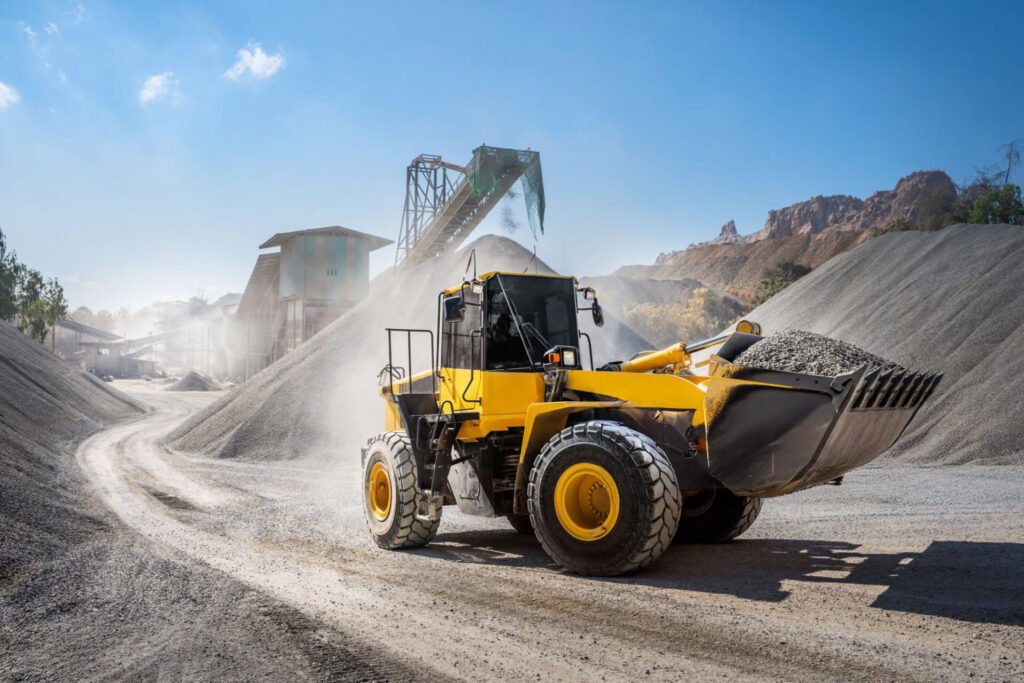
In the world of heavy machinery—whether it’s earthmovers, compactors, or agricultural tractors—the environment is the enemy. Equipment is constantly bombarded by flying debris, exposed to extreme weather, and subjected to rough handling.
For decades, Sheet Metal was the default choice for body panels, engine hoods, and cabin roofs. But metal has two fatal flaws: it dents, and it rusts.
As OEMs strive to build machines that last longer and look better, the industry is seeing a decisive shift toward FRP (Fibre Reinforced Polymer) composites. Here is why switching to FRP is a smart engineering move for your next equipment line.
1. The “Bounce Back” Factor: Impact Resistance
On a construction site, impact is inevitable. When a rock hits a sheet metal hood, the material yields plastically—meaning it dents permanently. That dent becomes a weak point where paint cracks and rust begins.
FRP composites function differently. They possess elastic memory.
When struck by debris, a high-quality FRP panel absorbs the energy and flexes, often returning to its original shape without permanent deformation. For rental fleets and end-users, this means machinery that looks newer for longer, protecting the resale value of the asset.
2. Zero Corrosion: conquering the Elements
Rust is the silent killer of heavy equipment. Metal panels require expensive galvanization, primers, and multiple paint layers to survive outdoors. Even then, a single scratch can compromise the entire panel.
FRP is inherently non-corrosive. It is chemically resistant to diesel spills, hydraulic fluids, fertilizers, and constant moisture.
- The Benefit: A machine with FRP panels can operate in coastal areas, mines, or monsoon conditions without the risk of body rot. This significantly lowers warranty claims for OEMs.
3. Freedom of Design: From “Boxy” to “Beastly”
Sheet metal imposes strict design limits. Achieving complex, aerodynamic curves requires expensive stamping dies or multiple welded parts, which drives up tooling costs.
FRP unlocks unlimited geometric possibilities.
- Modern Aesthetics: You can mold complex, fluid shapes that define your brand’s visual identity—giving your machine a modern, aggressive, and premium look.
- Functional Integration: Air vents, light housings, and stiffening ribs can be molded directly into a single part, eliminating the need for separate assembly steps.
4. The RTM & Silicon Bagging Advantage
Not all composites are created equal. While basic “hand lay-up” is common, Mega Fibre utilizes advanced RTM (Resin Transfer Molding) and Silicon Bagging processes.
Why does this matter to an OEM?
- Uniformity: These advanced processes ensure consistent thickness and fiber-to-resin ratios, eliminating the “weak spots” often found in manual processes.
- Finish Quality: You get a smoother surface finish (Class-A) that requires less prep work before painting, ensuring your machines look showroom-ready.
Conclusion: Built for the Long Haul
Switching from metal to FRP isn’t just about saving weight; it’s about delivering a machine that withstands the punishment of the job site.
At Mega Fibre, we understand that construction equipment demands “No Excuses” performance. Whether you need rugged engine covers, durable fenders, or complete cabin assemblies, our composite solutions are engineered to take a beating so your machines can keep working.
Ready to upgrade your equipment’s durability?
[Talk to our Composite Experts] about piloting an FRP component for your next prototype.